
Travel-size skincare has evolved from a convenience into a strategic product category for Cosmetic Brands. Refillable skincare travel containers help consumers stay consistent with their routines while flying, commuting, or heading to the gym. For brands, these compact packages are a chance to showcase formulation integrity and premium design in a portable format.
However, not every travel bottle protects the formula inside. Jars expose creams to air and bacteria; droppers leak; basic squeeze tubes collapse under cabin pressure. Airless pump technology has become the preferred solution because it reduces oxidation, prevents contamination, and dispenses nearly every drop. This guide explains why Airless Pump Bottles dominate refillable skincare travel containers, what specifications matter, and how to choose the right packaging for your product line.
Consumers today expect sustainability and portability at the same time. Refillable skincare travel containers address both. A compact Airless Bottle can be carried in a handbag, refilled from a full-size product, and reused across multiple trips. That reduces single-use plastic waste while keeping brand identity visible in airports, hotels, and gyms.
From a marketing perspective, travel-size products also lower the barrier to trial. A customer may hesitate to invest in a 50 ml serum but will try a 15 ml version first. If the packaging preserves the formula and feels premium, that trial converts into a long-term relationship. Brands therefore treat travel containers as an extension of their core line, not an afterthought.
Airless pump bottles use a piston or pouch system inside the bottle. As the consumer pumps the product, a vacuum-like mechanism pushes the contents upward without letting air enter. This is fundamentally different from a traditional pump or squeeze tube, which draw air back into the container.
Oxygen Protection: Active ingredients such as vitamin C, retinol, peptides, and botanical extracts degrade when exposed to oxygen. Airless Packaging extends shelf life by minimizing oxidation.
Contamination Control: Because the product never touches fingers or air, microbial contamination is significantly reduced. This is especially important for natural or preservative-free formulations.
Dose Precision: Each pump dispenses a consistent amount. Consumers can estimate how many applications remain, which improves satisfaction and repeat-purchase timing.
Near-Empty Dispensing: Unlike jars that leave residue around corners or dropper bottles that waste the final milliliters, airless pumps push the product toward the nozzle until the bottle is almost empty.
Travel Durability: Quality airless pump systems lock tightly. Leaks during air travel are rare when the pump and cap are engineered for pressure changes.
Airless travel containers are commonly made from three materials, each with distinct characteristics. The choice affects weight, clarity, chemical resistance, and perceived luxury.
| Material | Key Properties | Best For |
|---|---|---|
| AS (Acrylonitrile Styrene) | Glass-like clarity, rigid, lightweight, premium look | Serums, toners, lotions where appearance matters |
| PP (Polypropylene) | Flexible, durable, recyclable, cost-effective | Sunscreen, body lotion, thicker creams |
| PET (Polyethylene Terephthalate) | Good clarity, widely recyclable, moderate cost | Essence emulsions, spray bottles, budget-friendly lines |
AS Airless Bottles are often chosen for high-end skincare because they look like glass but do not shatter in transit. PP Bottles are preferred when durability and squeezability matter. PET works well for transparent lines and eco-conscious brands that emphasize recyclability.
Air travel regulations generally limit carry-on liquids to 100 ml per container. Most travel skincare lines therefore focus on 15 ml, 20 ml, 30 ml, 50 ml, and 80 ml sizes. Each serves a different role.
Matching the size to the product's usage rate prevents waste and improves customer experience. A 15 ml retinol serum used once a day will last longer than a 30 ml foaming cleanser used twice a day.
Beyond material and size, shape affects usability and shelf presence. Common travel airless bottle shapes include round shoulder, U-shape, and slim cylinder.
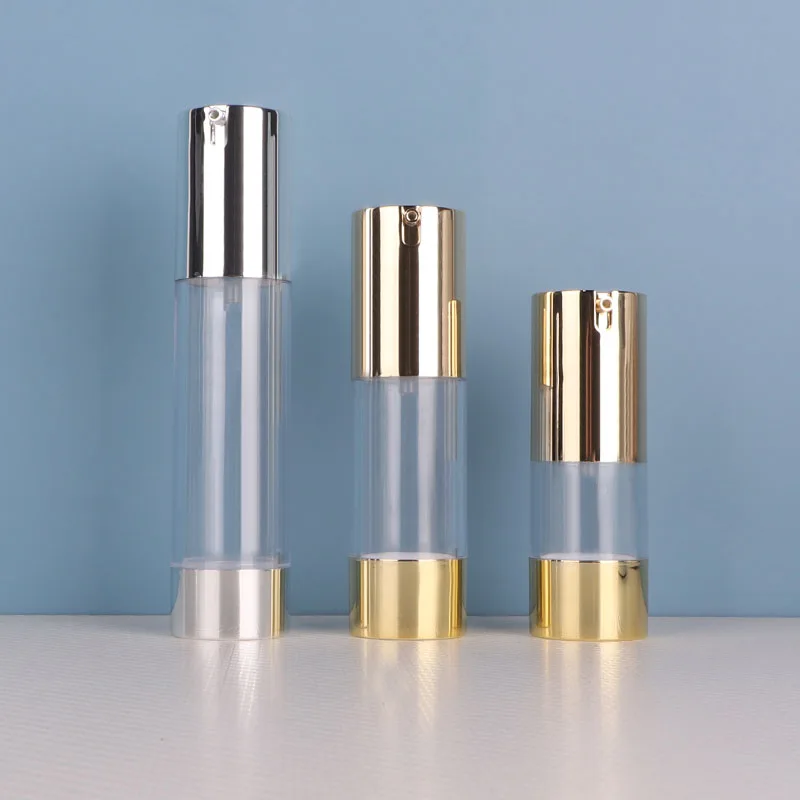
Figure 1: Round shoulder pump sprayer Travel Lotion Bottles in clear and frosted finishes.
The round shoulder design is easy to label and stacks neatly in retail displays. The U-shape profile fits comfortably in the hand and adds a modern silhouette. Slim cylinder bottles maximize space in toiletry bags. Brands often order the same formulation in two or three shapes to create a cohesive travel set.
Customization transforms a standard airless bottle into a branded asset. Common options include color matching, surface finish, pump actuator style, screen printing, and labeling.
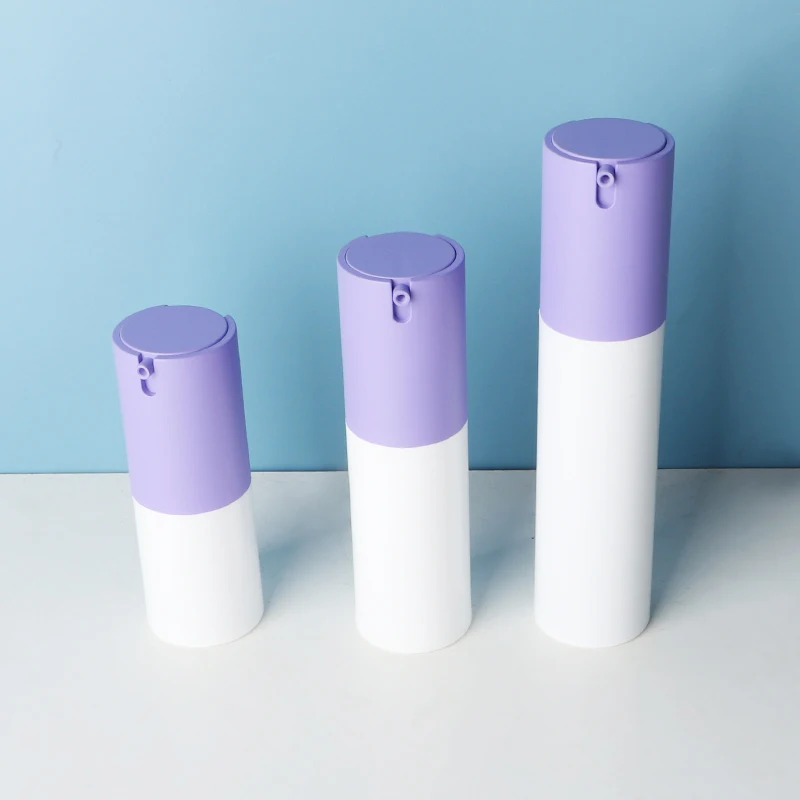
Figure 2: Purple U-shape pump sprayer bottles designed for travel skincare sets.
Color: Pantone-matched opaque or translucent colors help a product stand out. Soft pastels are common for K-beauty lines, while matte black signals premium or men's care.
Finish: Frosted, glossy, and soft-touch coatings change the tactile experience. Frosted AS bottles are particularly popular for serums because the finish diffuses light and hides minor surface scratches.
Pump Actuator: Standard pumps, treatment pumps, and spray pumps serve different viscosities. A thick cream needs a treatment pump; a toner needs a Fine Mist Sprayer.
Decoration: Silk-screen printing, hot stamping, and pressure-sensitive labels all work on airless bottles. For travel sizes, minimal decoration often looks more premium because small bottles have limited label real estate.
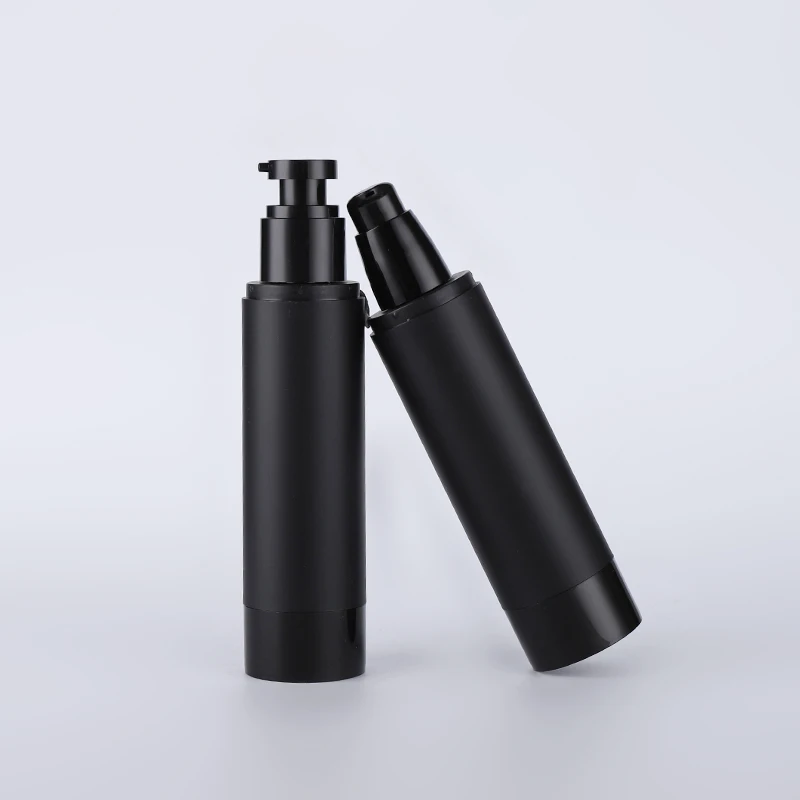
Figure 3: Matte black frosted travel-size vacuum airless pump bottle for premium skincare lines.
Airless travel containers appear across skincare categories, each with specific needs.
Understanding the internal mechanism helps brands make better packaging decisions. In a conventional pump bottle, the product sits in an open chamber. Each press draws air back into the bottle after dispensing. Over time, this air oxidizes the formula and dries out the pump.
An airless pump bottle works differently. The product sits on a raised platform or inside a flexible pouch. A piston sits beneath or around the product. When the consumer presses the pump, the piston rises and pushes the product through the nozzle. There is no reverse airflow, so oxygen cannot enter the reservoir.
This mechanism also prevents the product from sliding back down the sides. As the bottle empties, the visible fill level drops in a clean, uniform way. That predictable emptying gives consumers confidence that they are getting full value from the product.
Airless pumps are particularly valuable for formulations that separate or foam when shaken. Because the contents are not sloshing against air, emulsions stay stable. Thick creams that would clog a standard straw pump can move smoothly through an airless system matched to their viscosity.
Brands often compare airless pumps against jars, droppers, squeeze tubes, and conventional pumps. Each has strengths, but for travel skincare, airless bottles usually win on protection and portability.
| Container Type | Pros | Cons for Travel |
|---|---|---|
| Glass Jar | Premium feel, heavy base | Heavy, breakable, exposes cream to air and fingers |
| Dropper Bottle | Looks clinical and precise | Leak risk, air enters bottle, dosing varies |
| Squeeze Tube | Lightweight and flexible | Air re-enters, difficult to control dose, can burst under pressure |
| Conventional Pump | Easy to use | Air exposure, residue around nozzle, inconsistent near-empty dispensing |
| Airless Pump Bottle | Oxygen-free, precise dose, durable, near-empty dispensing | Slightly higher unit cost, requires correct pump match |
Cost is often the main hesitation. Airless pumps do cost more per unit than simple squeeze tubes. However, the extended shelf life, higher consumer satisfaction, and lower return rate usually offset the difference. Brands that position themselves as premium or science-led find the investment easy to justify.
Travel-size skincare sold internationally must meet labeling rules in each target market. In the European Union, the INCI ingredient list, net content, durability period, and responsible person must appear on the label. In the United States, the FDA requires ingredient disclosure and warning statements for certain actives. China requires Chinese labels, ingredient lists, and registration for special Cosmetics.
Because travel bottles have small labels, brands must balance regulatory text with design. One practical approach is to place the full ingredient list on the outer box or pouch, while keeping only the essentials on the bottle itself. This satisfies most regional requirements without overwhelming the design.
Claims matter too. Terms like "anti-aging," "whitening," or "medical grade" are regulated differently across markets. A claim that is acceptable in one country may require registration or be prohibited in another. Packaging copy should be reviewed before final printing.
Travel-specific symbols can also help consumers. A small airplane icon or "carry-on friendly" badge signals TSA awareness, while refill arrows and recycling logos support sustainability messaging.
Small bottles demand sharp, readable decoration. Fine text below 6 pt can blur on curved surfaces. High-contrast colors improve readability under store lighting.
Screen Printing: Works well on AS and PP bottles. It offers vivid colors and good durability. The setup cost makes it economical from a few hundred units upward.
Hot Stamping: Adds metallic gold, silver, or rose gold accents. It is often used for logos or premium lines. Because it is applied after molding, alignment requires precise tooling.
Pressure-Sensitive Labels: Flexible for small batches and frequent formula changes. Labels can include full regulatory text and variable QR codes. Wrinkle-free application on small curves requires good label material and applicator calibration.
Shrink Sleeves: Cover the entire bottle surface, allowing 360-degree graphics. They protect the bottle but may obscure the fill level and cannot be easily removed for refilling.
Brands often combine methods: a screen-printed logo plus a label for ingredients. This keeps the bottle elegant while remaining compliant.
Travel-size products tap into three consumer motivations: preparedness, exploration, and portability. Preparedness buyers want reliable, leak-proof bottles for upcoming trips. Exploration buyers see travel sizes as low-risk trials of new brands. Portability buyers want something that fits a gym bag or desk drawer.
Packaging cues influence which motivation dominates. Transparent bottles signal honesty and natural formulas. Frosted bottles signal premium and clinical quality. Bold colors attract younger, trend-driven shoppers. Matte finishes appeal to minimalist, premium buyers.
Perceived value also rises when the pump feels smooth and the cap clicks securely. A cheap-feeling pump can undermine an otherwise excellent formula. Sampling the full user experience before launch, from unboxing to final dispense, prevents negative reviews.
Bundling travel sizes into sets increases basket size. A "flight-ready" kit with cleanser, serum, and moisturizer gives customers a clear reason to buy more than one item. Including a clear pouch that meets airline liquid rules removes a common purchase barrier.
Imagine a brand launching a travel mini line for its three best-selling products: a vitamin C serum, a niacinamide toner, and a peptide moisturizer.
For the vitamin C serum, a 20 ml opaque AS Airless Bottle with a treatment pump protects the active ingredient from oxygen and light. The toner fits a 50 ml frosted PET bottle with a fine mist sprayer. The moisturizer goes into a 30 ml PP Airless Bottle with a smooth pump.
All three bottles share a matte black finish and the same pump silhouette, creating visual unity. A screen-printed logo in white keeps the look clean. The products are packed in a TSA-approved clear pouch with a printed insert explaining refill instructions.
This approach gives the brand a coherent travel story while using the right packaging technology for each formula. Customers receive a premium experience, and the brand gains a portable entry point into new markets.
When sourcing refillable skincare travel containers, the supplier's production environment matters as much as the bottle design. Airless pumps involve multiple components: bottle body, piston, closure, pump head, spring, and sometimes a pouch. Each component must be assembled in a clean, controlled setting to avoid contamination.
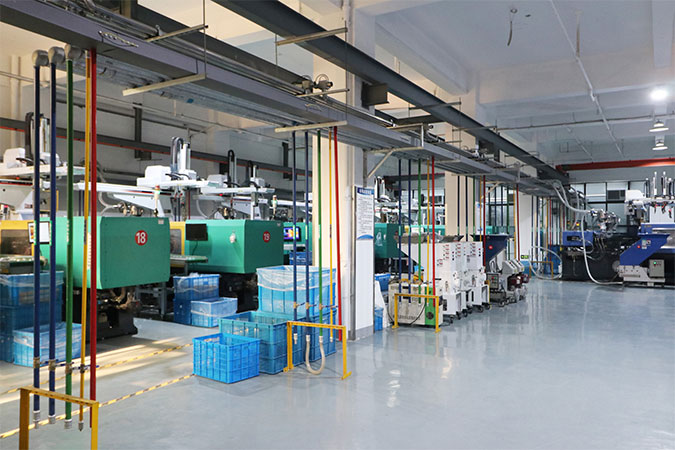
Figure 4: Clean production workshop for Cosmetic Packaging assembly.
Key supplier capabilities to evaluate include injection molding precision, dust-free assembly lines, leak testing, and consistency across batches. A Reliable Manufacturer will provide samples for pump-actuation testing and can produce small trial runs before full production.
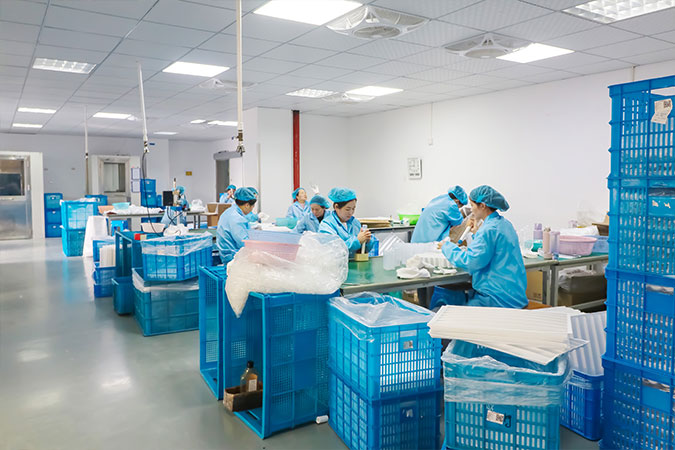
Figure 5: Manual assembly and quality inspection area for airless pump bottles.
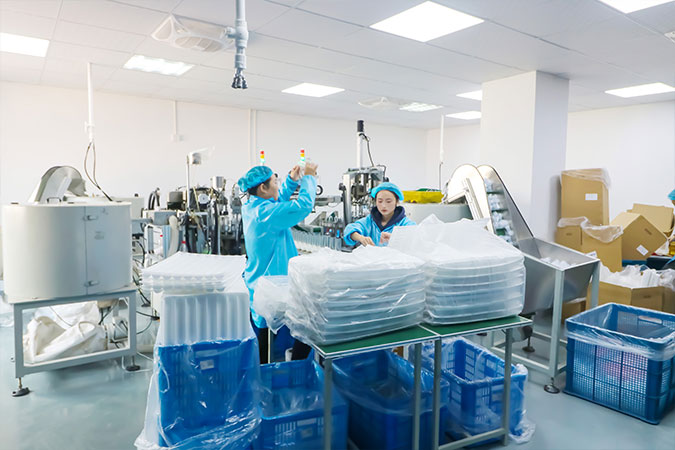
Figure 6: Workshop quality control station for travel-size packaging.
Many brands launch travel kits that include cleanser, toner, serum, and moisturizer in matching airless bottles. A well-designed set increases average order value and reinforces brand recognition.
When designing a set, keep the bottle family consistent in shape, color, and pump style. Use capacity differences to signal product role rather than wildly different silhouettes. Add a reusable pouch or box that fits airline liquid bags for added convenience.
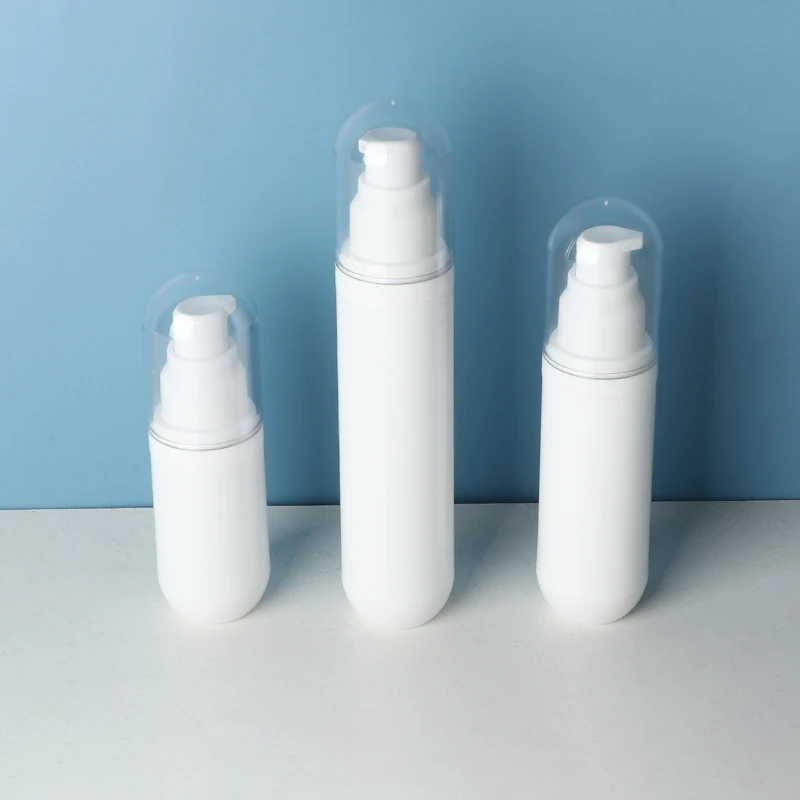
Figure 7: AS lotion and skin care serum pump sprayer for travel dispensing.
Refillable skincare travel containers support the broader shift toward refill-and-reuse packaging. Some airless bottles are designed with removable pump mechanisms or replaceable inner cartridges, allowing consumers to refill without discarding the outer shell.
Brands should communicate refill instructions clearly. A confusing refill process leads to product waste and negative reviews. Labels or QR codes that link to refill tutorials improve compliance.
Recyclability is another consideration. PP and PET bottles are widely recyclable, while AS requires specialized facilities. Mixed-component airless pumps are harder to recycle than monomaterial designs. Suppliers who can offer recyclable or post-consumer resin options help brands meet sustainability commitments.
Q: Are airless pump bottles TSA compliant?
A: Airless pump bottles themselves are not limited by TSA rules, but the volume is. Carry-on containers must hold 100 ml or less, and all liquids must fit in a one-quart clear bag.
Q: Can I refill an airless pump bottle?
A: Many designs are refillable, though the method varies. Some have removable bottoms; others use replaceable inner pouches. Check the bottle design before purchasing.
Q: What is the best material for a luxury travel serum bottle?
A: AS or thick-walled PET with a frosted finish offers a glass-like premium appearance without breakage risk.
Q: How do I stop travel bottles from leaking?
A: Use bottles with locking pumps, choose the correct pump for the formula viscosity, and avoid overfilling. Pressure-tested closures are essential for air travel.
Q: What size should a travel skincare sample be?
A: Deluxe samples are typically 10 ml to 15 ml, enough for 5 to 10 uses. This gives consumers a meaningful trial without a large investment.
Q: Why is my airless pump not dispensing?
A: Airless pumps may need several initial presses to create the vacuum. If the bottle is empty or the piston is stuck, the pump will stop working. Gently tapping the bottle can sometimes release the piston.
Airless Pump: A dispensing system that uses a piston or pouch to push product out without allowing air back into the bottle.
AS Plastic: Acrylonitrile styrene, a rigid, glass-like plastic often used for premium Cosmetic Bottles.
Closure: The cap or lid that seals the bottle opening. Locking closures are preferred for travel.
Dispensing Pump: A pump head designed to release a measured amount of product with each press.
Filling Volume: The actual amount of product the bottle holds when filled correctly, usually slightly less than the nominal Bottle Capacity to allow headspace.
Headspace: The empty space left at the top of a container to accommodate thermal expansion and pump displacement.
Leak Test: A quality-control step that checks whether a sealed bottle loses contents under pressure or inversion.
MOQ: Minimum order quantity. Stock airless bottles often have low MOQs, while custom colors or molds require larger runs.
Neck Finish: The threaded opening of a bottle, described by diameter and thread type, which must match the closure or pump.
PP Plastic: Polypropylene, a flexible and durable plastic suitable for thicker creams and recyclable packaging.
Treatment Pump: A pump designed for thicker lotions and creams, often with a smaller orifice than a standard lotion pump.
Viscosity: The thickness or flow resistance of a liquid. High-viscosity formulas need stronger pumps and wider nozzles.
Refillable skincare travel containers are more than miniature packaging. They protect formulas, support sustainability goals, and give brands a portable touchpoint with customers. Airless pump bottles offer the best balance of preservation, convenience, and premium appearance for travel-sized skincare. By selecting the right material, size, shape, and customization options, brands can create travel products that convert trial users into loyal customers while surviving the demands of life on the move.

dy1@dingyu-plastic.com
Contact Person:Mr. Fu
Mobile Number:+86 13736020285
Email:dy1@dingyu-plastic.com
Business Address:No.59 Dongheng Road, Mazhu Town, Yuyao City, Zhejiang Province, China

This website uses cookies to ensure you get the best experience on our website.

 Español
 Français
 Deutsch
 한국어


 WhatsApp
 Phone
 E-mail
 Message
Comment
(0)