









Fine PP White Lotion Pump Airless Bottle 15ml
When I work with Cosmetic Brands, I often find that small packaging projects have more details than people expect. A 15ml bottle may look simple, but the bottle size, pump structure, formula, appearance, decoration and shipping method all have to fit together. That is why I prefer to discuss the complete packaging requirement before moving directly into mass production.
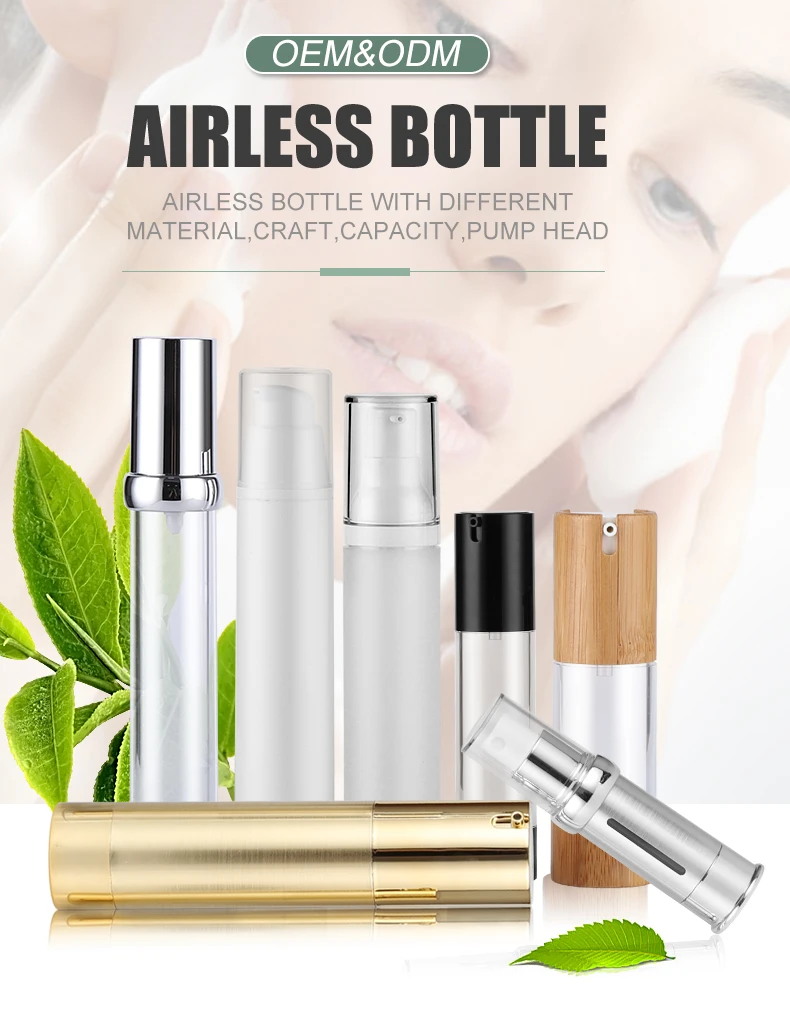
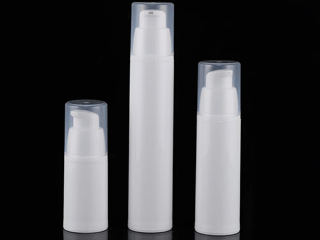
Our Fine PP White Lotion Pump Airless Bottle 15ml is designed for skincare, personal care and beauty formulations that need a compact dispensing package. It uses polypropylene, commonly called PP, as the main bottle material and combines a clean white appearance with an airless pump structure.
The 15ml capacity makes this bottle especially practical when a brand wants a smaller package. It can be considered for skincare serum, lotion, cream, moisturizer, emulsion and other beauty products where controlled dispensing and easy handling are important.
I do not treat this bottle as just a small container. For me, good Cosmetic Packaging starts with the product inside. The formula needs to work with the pump, the package needs to match the filling process, and the final appearance needs to fit the brand. Once these points are confirmed, production becomes much easier to manage.
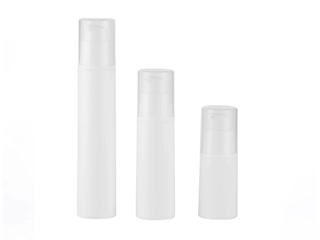
The Fine PP White Lotion Pump Airless Bottle 15ml is a compact cosmetic packaging solution made mainly from polypropylene and designed with an airless dispensing structure. It provides a simple way to dispense skincare and personal care products without relying on a wide open bottle mouth.
The white bottle gives the package a clean appearance that can work with many cosmetic design styles. It can be used as a simple white package or customized with printing, color matching, frosting, hot stamping, electroplating and other finishing options depending on the customer's requirements.
The 15ml capacity is one of the key points of this product. Compared with larger daily-use bottles, a 15ml package takes up less space and can be useful for trial products, travel skincare, targeted Skincare Products and smaller product lines.
Of course, capacity alone does not determine whether a package is suitable. I always look at the formula and dispensing requirements as well. A thin serum and a thick cream can behave very differently inside the same package, so actual testing is important before a large production order.
The airless structure is designed to help provide controlled product delivery. When the user presses the pump, the dispensing mechanism moves the product toward the outlet. The internal structure is designed so that product is progressively moved toward the dispensing side as the package is used.
The exact internal mechanism can vary between airless bottle designs. Because of that, I avoid making blanket claims that every airless package will produce the same result with every cosmetic formula. The final performance depends on the formula, viscosity, pump structure, filling process and storage conditions.
| Packaging Type | Typical User Action | Common Application | Main Point to Check |
|---|---|---|---|
| Open Bottle | Pour or squeeze | Lotions and liquid products | Opening and flow |
| Standard Pump Bottle | Press pump | Lotions and liquid skincare | Pump output and formula flow |
| Airless Pump Bottle | Press pump | Serums, lotions, creams and emulsions | Formula compatibility and dispensing |
| Cosmetic Jar | Open and scoop | Creams and masks | Opening size and user handling |
Source note: This is a practical packaging comparison based on common package structures rather than a laboratory performance ranking. ISO 22715:2006 covers cosmetic packaging and labeling requirements. ISO 22716:2007 provides guidelines concerning cosmetic production, control, storage and shipment. Both are published by the International Organization for Standardization. Source: ISO 22715:2006 and ISO 22716:2007.
The basic working idea is quite easy to understand.
The cosmetic formulation is filled into the bottle during production. Inside the package is an airless dispensing structure. Depending on the design, this can include an internal piston or another moving component that helps push the product toward the pump outlet.
When the user presses the pump, the pump mechanism creates the dispensing action. A controlled amount of product moves through the pump and comes out of the outlet.
As the product is gradually used, the internal mechanism moves to follow the remaining product. This is different from a simple bottle where the empty space inside the bottle is normally replaced by outside air during use.
For everyday skincare, the main advantage I see is convenience. The user can press the pump instead of opening a jar or pouring product from a wide opening. This can make the package easier to handle, especially when the product is used every morning and evening.
The pump also gives brands a more controlled dispensing format. However, the actual amount delivered in each pump depends on the pump specification and the formula. If a customer has a specific dose requirement, we need to confirm and test the pump rather than assuming that every pump gives the same output.
For a 15ml bottle, this is especially important. Because the total product volume is relatively small, every dispensing cycle represents a larger percentage of the total package than it would in a large bottle. Consistent dispensing therefore deserves attention during product development.
I always recommend testing the actual formula with the actual bottle and pump.
A watery product may move easily through the dispensing system. A thick cream may need a different dispensing setup. Some emulsions may behave differently after storage. Temperature can also affect viscosity, which may change how the product feels during pumping.
For that reason, a sample is not simply something to look at. It is something to use.
I would normally check the pump feel, product output, bottle appearance, assembly and overall user experience before approving the final packaging for mass production.
The 15ml format gives brands a compact option for skincare and personal care packaging. It can be useful when a product is designed for short-term use, travel, trial programs or targeted applications.
Small packaging can also help a brand create a different product range without changing its overall visual language. For example, a larger daily-use bottle and a 15ml treatment package can use similar decoration while serving different product purposes.
The bottle uses polypropylene as the main material. PP is widely used in plastic packaging and provides a practical option for lightweight Cosmetic Containers.
For me, the important point is not simply saying that the bottle is made from PP. The customer also needs to consider the complete package system, including the pump, cap, internal structure and formula. These parts work together during actual use.
White is one of the easiest colors to work with when developing a cosmetic package. It can support clean skincare designs, simple labels and more detailed decorative concepts.
We can also discuss custom colors and surface finishes. Depending on the project, available options include silk-screen printing, hot stamping, frosting, electroplating and other finishing processes.
The airless structure supports controlled dispensing and provides a practical package for products such as lotion, serum, cream and moisturizer.
I would still recommend formula testing before final production. “Airless” describes the package structure; it does not automatically mean that every cosmetic formulation will perform perfectly inside every airless bottle.
Packaging is part of the product identity. A plain white bottle can be enough for some brands, while others may need logos, text, metallic effects or special surface treatment.
Our customization services can support different design directions without requiring the customer to start from a completely new packaging system every time.
| Product Feature | Practical Benefit | Typical Customer Concern |
|---|---|---|
| 15ml Capacity | Compact and easy to handle | Whether the volume fits the product plan |
| PP Material | Lightweight plastic packaging | Material and formula compatibility |
| Airless Pump | Controlled dispensing | Pump output and formula flow |
| White Appearance | Clean cosmetic presentation | Color consistency and decoration |
| Custom Finishes | Supports brand identity | Decoration method and cost |
Source note: Product-specific features in this table are based on the supplied specifications from Yuyao Dingyu Plastic Industry Co., Ltd. General cosmetic packaging considerations are consistent with the scope of ISO 22715:2006. Source: International Organization for Standardization.
One of the nice things about a compact airless bottle is that it can serve several different cosmetic product categories. I would not limit it to one specific formula.
A 15ml bottle can be considered for facial serums and targeted skincare products. The pump gives the user a simple dispensing method, while the small capacity keeps the overall package compact.
For serum projects, I normally focus on viscosity, pump output and the customer's expected dose per use.
Facial lotion is another natural application. The pump can make daily dispensing more convenient than a wide-mouth package, especially when the product is used frequently.
Some face creams are thicker than ordinary lotions. An airless pump can still be considered, but the formula and pump should be tested together. This is one of those situations where a sample tells us more than a product description.
A 15ml moisturizer package can be useful for travel sizes, trial programs or smaller product ranges. The white PP body also gives the brand a clean visual starting point.
Emulsions can have very different textures. Some are light and fluid, while others are much thicker. For this reason, I recommend a dispensing test before mass production.
The compact 15ml capacity makes this bottle worth considering for portable skincare packaging. It takes up less space than many larger containers and can be easier to include in travel-oriented product sets.
Brands launching a new product sometimes need a smaller package for market testing. A 15ml airless bottle can provide a more complete package experience than simply placing a formula into a basic sample container.
| Application | Why 15ml Can Be Useful | What I Would Test |
|---|---|---|
| Facial Serum | Compact and controlled dispensing | Viscosity and pump output |
| Facial Lotion | Suitable for small daily-use packages | Dispensing consistency |
| Face Cream | Small treatment-style package | Thick formula compatibility |
| Moisturizer | Portable and convenient | Formula flow and pump feel |
| Travel Skincare | Compact format | Package strength and transport |
| Trial Product | Useful for smaller product quantities | Filling and dispensing |
Source note: The applications above are practical recommendations based on the supplied product specifications. They should not be understood as universal compatibility claims. Actual suitability depends on the formula and package testing.
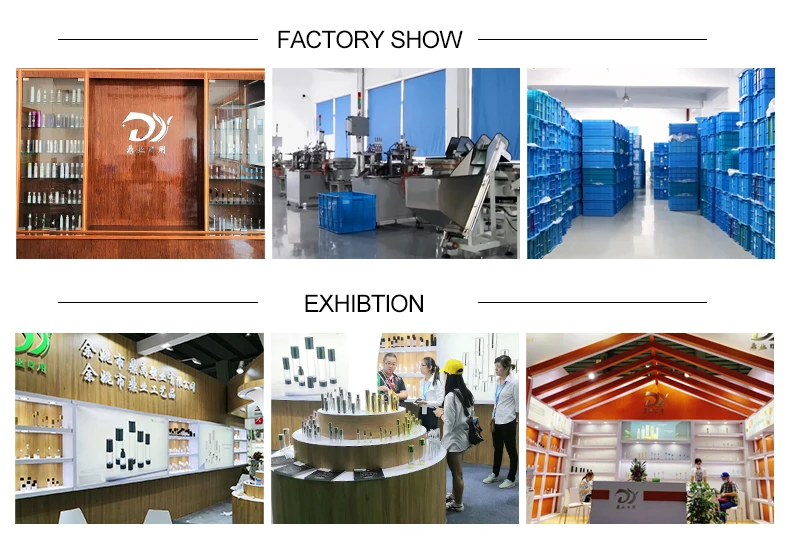
At Yuyao Dingyu Plastic Industry Co., Ltd., we have our own manufacturing factory in Yuyao, Ningbo, Zhejiang Province. Our facility covers around 5,000 square meters and includes mold development workshops, injection molding machines and testing instruments.
For a new cosmetic packaging project, I prefer to start by understanding the customer's actual requirement.
What product will be filled into the bottle?
What capacity is required?
Does the customer already have artwork?
Is the bottle a standard design or a new custom shape?
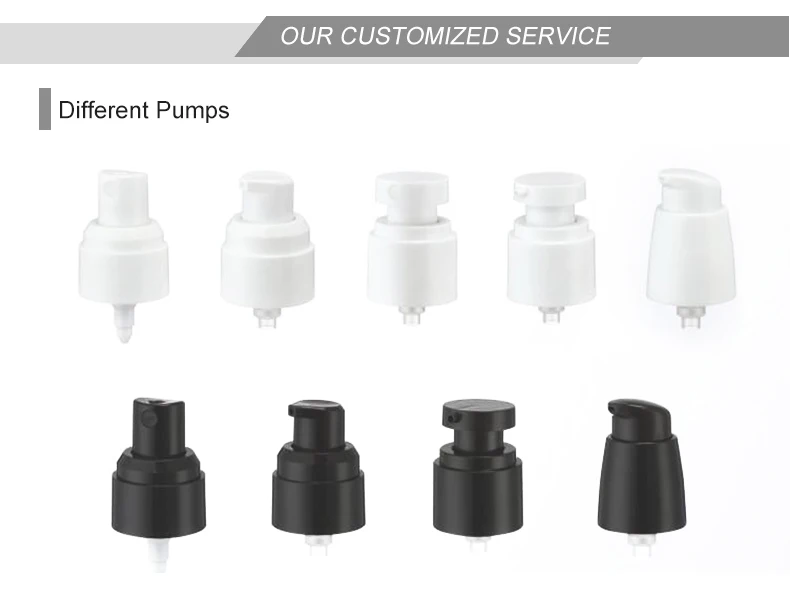
What type of pump is required?
Does the customer need printing, frosting, hot stamping or another finish?
These questions may sound basic, but answering them early can prevent unnecessary changes later.
We review the bottle design, material, capacity, pump structure, color and decoration requirements. If the customer has a drawing or physical sample, we can use it as a reference for OEM or ODM development.
If the project requires a new mold, we discuss the design and production requirements before development. Existing standard packaging can move through the process more quickly because the basic structure is already established.
Plastic components are formed using injection molding equipment. Production conditions need to be controlled so that the finished parts meet the required dimensions and appearance.
Depending on the design, we can support color matching, silk-screen printing, hot stamping, frosting, electroplating and other finishing options.
I normally recommend selecting decoration based on the brand's real needs. More decoration is not automatically better. The finish should make sense for the product, target market and budget.
The bottle and pump components are assembled according to the product structure. We pay attention to fit, appearance and pump function.
Samples can be provided for customer evaluation before mass production. This is an important checkpoint because the customer can physically check the package instead of making decisions from pictures alone.
For standard PP Airless Bottles, our typical production cycle is around 15–30 days after sample approval and order confirmation. Custom colors, special finishes and new mold development may require additional time.
Before shipment, we check appearance, dimensions, dispensing or pump function and packaging condition. Products can be packed in polybags, inner boxes and export cartons. Pallets or wooden cases can be arranged when required.
When I look at a finished Cosmetic Bottle, I do not only look at whether it is white and clean. There are several small details that affect the customer's experience.
The bottle surface should match the approved sample. Scratches, obvious marks, uneven decoration and other visible defects need attention before shipment.
The bottle must maintain the agreed dimensions so that matching components can fit correctly. Dimensional inspection becomes especially important when a customer has an existing filling or assembly line.
The pump is one of the most important parts of the package. We check dispensing or pump function before delivery. For a customized formula, I still recommend that the customer conduct its own formula compatibility testing with the final product.
A bottle can look good by itself and still have an assembly problem. That is why the bottle, pump and other matching parts need to be considered as a complete package.
Good products also need suitable transport packaging. We use protective polybags, inner boxes and export cartons, with additional pallets or wooden cases available when needed.
This approach is consistent with the broader idea behind cosmetic manufacturing and handling guidelines: product quality is not only about making the item; storage, control and shipment also matter.
ISO 22716:2007 specifically addresses guidelines for cosmetic production, control, storage and shipment. Source: ISO 22716:2007, ISO.
We have been working in cosmetic packaging for years, and our approach is based on practical manufacturing rather than simply selling a catalog item.
Yuyao Dingyu Plastic Industry Co., Ltd. was founded in 2014 and operates an in-house manufacturing factory. Our facility is located in Yuyao, Ningbo, Zhejiang Province, around 2 km from the Yuyao exit of the Hangzhou-Ningbo Expressway.
Our plant covers approximately 5,000 square meters. We have mold development workshops, injection molding machines and testing instruments, allowing us to handle different stages of cosmetic packaging production in-house.
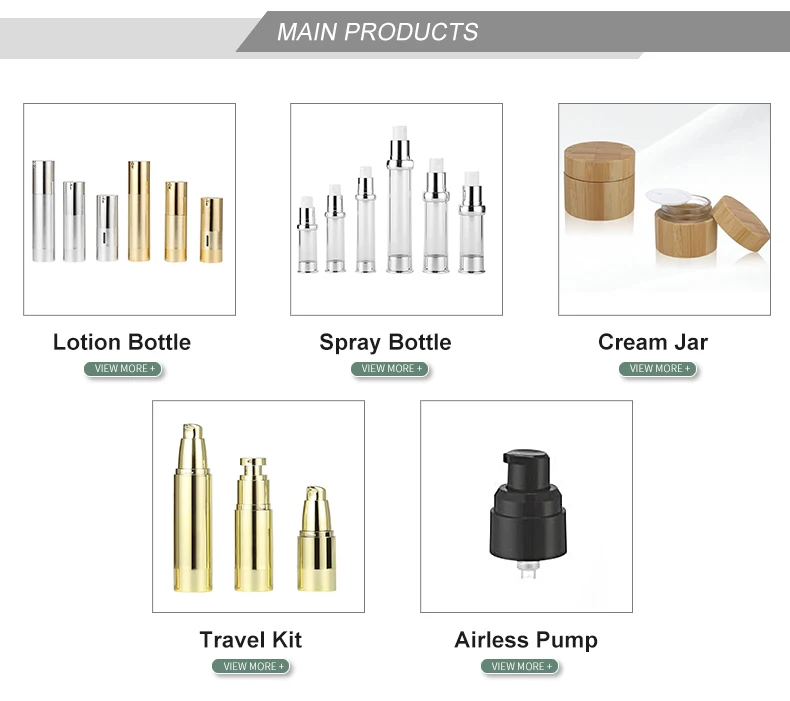
Airless Cosmetic Bottles are one of our flagship product areas. Alongside airless bottles, we also supply lotion bottles, perfume bottles, PET bottles and other beauty packaging products.
For customers who need customization, we provide OEM and ODM services based on drawings or samples. This can include new mold development, color matching, silk-screen printing, hot stamping, frosting, electroplating and matching pump heads.
We also understand the risk of ordering large quantities before checking a sample. That is why we can provide samples for customer evaluation before mass production. The customer can check the appearance, pump action, assembly and overall package concept first.
Our products are exported to North America, South America, Europe, Southeast Asia, the Middle East, Australia and other markets. We have self-operated import and export rights and established foreign-trade procedures.
For standard orders, payment is generally 30% deposit and 70% balance before shipment, subject to the specific agreement. Shipping can be arranged by sea, air or express depending on quantity, destination and delivery schedule.
We normally reply to customer inquiries within 24 hours and aim to provide tailored solutions within one week. For us, fast communication is useful only when it is combined with practical answers. When a customer sends a drawing, sample or product idea, we want to know what the actual production target is and then work backward from it.
Receive the customer's product and packaging requirements.
Confirm Bottle Capacity, pump structure and material.
Review drawings, samples or artwork if available.
Discuss color and surface decoration requirements.
Prepare samples for customer evaluation.
Confirm sample approval and order details.
Start mass production.
Complete appearance, dimension, pump and packaging checks.
Pack the finished goods for export.
Arrange sea, air or express shipment according to the agreed plan.
The main bottle material is polypropylene, or PP. The complete packaging system can also contain pump and other matching components.
The 15ml size is compact and can be useful for travel skincare, trial products, targeted skincare, small product lines and other applications where a smaller quantity is required.
The bottle is designed for skincare and personal care formulations such as serums, lotions, creams, emulsions, moisturizers and other beauty products. Actual compatibility should be confirmed through testing with the customer's formula.
It may be suitable depending on the specific pump and formula. Thick products can behave differently from light lotions, so I recommend a dispensing test before mass production.
Yes. We provide color matching services for customized packaging projects. The final color should be confirmed through a sample before mass production.
Yes. Silk-screen printing, hot stamping and other surface finishing options are available depending on the project requirements.
Yes. Frosting, electroplating and other surface finishes can be discussed according to the bottle design and desired appearance.
Yes. New mold development is part of our OEM and ODM services. Customers can provide drawings, samples or design requirements for evaluation.
Yes. We can provide samples for customer evaluation. I recommend checking both the package and the actual cosmetic formula before confirming a large order.
For standard PP Airless Bottles, the typical production cycle is around 15–30 days after sample approval and order confirmation. Custom colors, special finishes and new mold development may require additional time.
Our general payment term is 30% deposit and 70% balance before shipment, subject to the specific agreement for each order.
We can use polybags, inner boxes and export cartons. Pallets or wooden cases can also be arranged when required by the order or transportation conditions.
Yes. We have self-operated import and export rights and supply customers in North America, South America, Europe, Southeast Asia, the Middle East, Australia and other regions. Sea freight, air freight and express delivery can be arranged according to the shipment requirements.
No. An airless package can provide a different dispensing and product-contact structure, but package performance depends on the actual formula, pump, bottle construction, filling process and storage conditions. I recommend testing the final formula in the final package rather than relying on the word “airless” alone.
The most useful information includes required capacity, bottle style, formula type, expected order quantity, pump requirement, color, artwork, decoration method and destination. If you have a drawing or physical sample, sending it can make the quotation and development discussion much more accurate.
The Fine PP White Lotion Pump Airless Bottle 15ml is a compact packaging option built around practical daily use. Its PP construction, white appearance, 15ml capacity and airless pump structure make it suitable for a range of skincare and personal care applications.
For me, the most important point is not simply the appearance of the bottle. The real packaging project starts when we put the formula inside it and begin testing the pump. That is where we can see whether the dispensing amount, pump feel, bottle structure and product viscosity work together as expected.
The 15ml format can be useful for serums, lotions, creams, moisturizers, emulsions, travel skincare and trial products. The clean white surface also provides a flexible starting point for brand decoration, including printing, frosting, hot stamping, electroplating and other finishing options.
At Yuyao Dingyu Plastic Industry Co., Ltd., we support customers from sample evaluation through mass production. Our in-house factory, mold development capability, injection molding equipment and testing instruments allow us to handle both standard and customized cosmetic packaging projects.
For standard PP Airless Bottles, our typical production cycle is around 15–30 days after sample approval and order confirmation. Before shipment, we check appearance, dimensions, dispensing or pump function and packaging condition. We can arrange sea freight, air freight or express delivery according to quantity, destination and delivery schedule.
If you are looking for a 15ml PP Airless Bottle, white Lotion Pump Bottle, 15ml Airless Lotion Bottle or PP airless cosmetic packaging, you can start with your formula, capacity requirement, artwork or sample. From there, we can work through the details and develop a packaging solution that makes sense for your product and production plan.
Reference sources:
International Organization for Standardization, ISO 22715:2006, Cosmetics — Packaging and labelling: ISO official source.
International Organization for Standardization, ISO 22716:2007, Cosmetics — Good Manufacturing Practices — Guidelines on Good Manufacturing Practices: ISO official source.

dy1@dingyu-plastic.com
Contact Person:Mr. Fu
Mobile Number:+86 13736020285
Email:dy1@dingyu-plastic.com
Business Address:No.59 Dongheng Road, Mazhu Town, Yuyao City, Zhejiang Province, China

This website uses cookies to ensure you get the best experience on our website.

 Español
 Français
 Deutsch
 한국어
한국어


 WhatsApp
 Phone
Phone E-mail
 Message